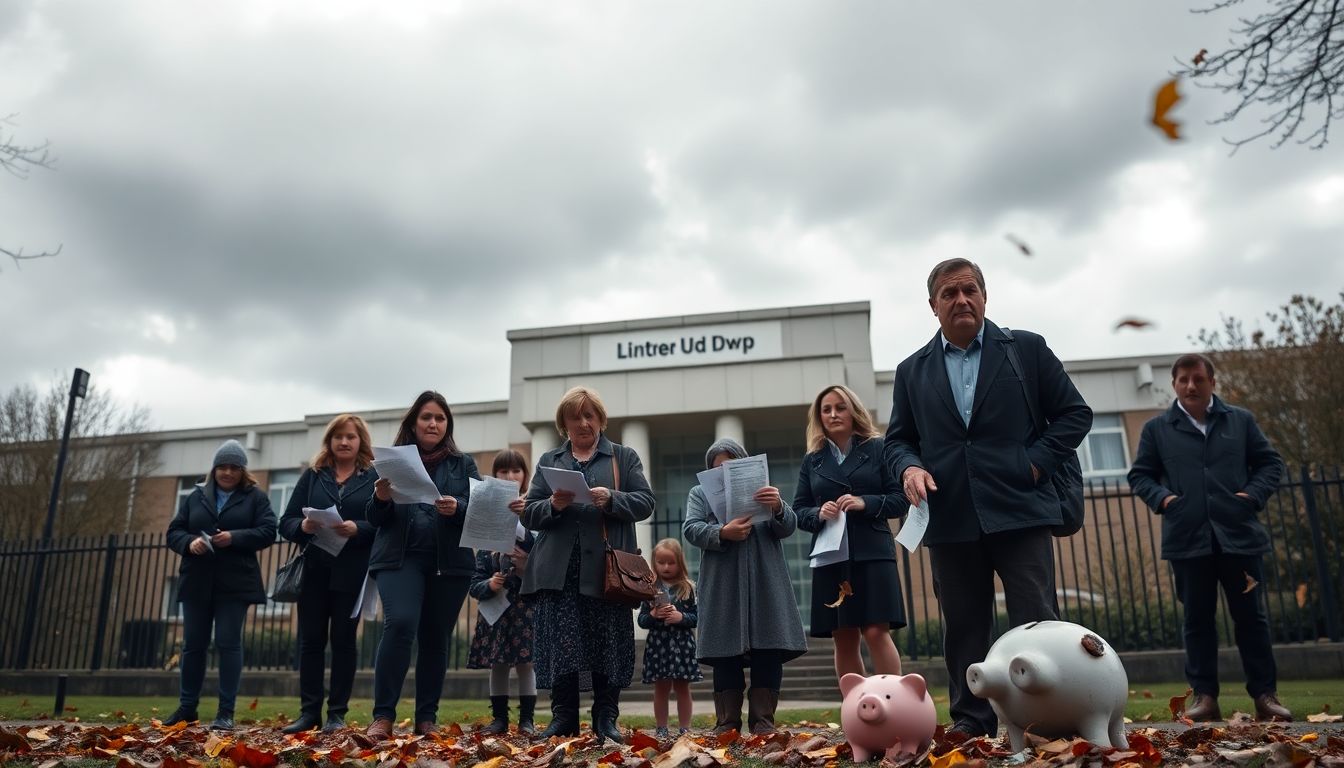
A recent forecast from the Department for Work and Pensions (DWP) paints a grim picture. It warns that over 700,000 families already living in poverty could face further hardship due to upcoming disability benefit cuts. This is a huge number, showing how vulnerable many families are to sweeping policy changes. Understanding what’s changing, why it matters, and how it affects families is crucial. These cuts threaten to push many even closer to the edge. It’s vital that we look into what these reforms mean and find ways to protect those most at risk.
The Scope and Scale of the Proposed Disability Benefit Cuts
Overview of the DWP Forecasts
The DWP predicts that nearly three-quarters of a million families who depend on disability benefits will be affected by future cuts. They say this could reduce income for many already in tough spots. The government is aiming to cut spending on disability programs, citing a need to balance the budget. But experts warn that these savings come at a high cost, especially for families who rely on these benefits to meet basic needs.
The Families at Risk
Most of these families have low incomes, with many living paycheck to paycheck. Some have young children, others include elderly family members or disabled children. Many depend heavily on disability allowances to cover rent, food, and utilities. Geographically, poorer regions such as parts of the North and Midlands may suffer the most because of these cuts. These areas already face more hardship and could see conditions worsen.
Historical Context of Benefit Reforms
In past years, benefit reforms have often led to increased hardship for disabled people and their families. Laws changing the amount they can receive or how benefits are calculated have made life harder for many. Those who faced these reforms tell stories of getting behind on bills, losing their homes, or having to rely on charities. Learning from these past changes can help us understand the risks linked to new cuts.
Impact of Benefit Cuts on Families Living in Poverty
Increased Financial Hardship
When benefits are slashed, families lose vital income. Many will find it even harder to pay for essentials like food and rent. Some might skip meals or go without heating to make ends meet. The number of families in housing trouble is likely to grow sharply. Utility bills will pile up, and eviction cases may rise as families struggle to keep their homes.
Real-World Case Studies
Recent reports highlight families in crisis. Imagine a single mother on a disability benefit losing part of her income. She faces choosing between buying medicine or paying rent. Another family with a disabled child might have to cut back on therapy or school supplies. These stories aren’t rare; they show just how tight life already is for many disabled families.
Broader Social Consequences
When families can’t afford basic needs, they turn to food banks, hospitals, and social services more often. This puts extra pressure on community resources. Kids in these families often experience more stress, and their learning can suffer. Mental health issues also tend to rise when families face constant financial stress. The ripple effects reach far beyond individual households.
Government Policies and Justifications
Official Rationale Behind Benefit Cuts
The government claims that reducing benefit payments helps control public spending. They argue it encourages disabled people to seek employment or become more self-sufficient. These policies are presented as necessary to keep the economy afloat during tough times. But critics say they ignore the real struggles families face and risk increasing inequality.
Expert Criticisms and Alternative Perspectives
Many social policy experts warn these cuts unfairly target vulnerable groups. They suggest that disability benefits are already modest and these reductions threaten to make support almost impossible to live on. Disability rights advocates argue that fair support should be a right, not a privilege. Some also say the government’s claims about reducing dependency are not backed by evidence.
Legal and Political Challenges
Legal battles are already underway to stop some of these cuts. Critics say the reforms violate rights under equality laws. Politicians and advocacy groups have called for a rethink, arguing that harming disabled families is wrong. Public protests and petitions have gained momentum, pressing policymakers to reconsider.
Support Systems and Advocacy for Affected Families
Existing Support Networks and Resources
Many charities, NGOs, and government programs aim to help disabled families. Food banks and housing charities provide immediate relief. Support services also include advice on benefits, legal guidance, and emotional support. These networks are vital to help families survive the tough times.
How Families Can Prepare and Respond
Families should review their current benefits and plan ahead. Contact support organizations early to find out about emergency aid options. Budget carefully, cut costs where possible, and seek advice on managing debts. Staying informed and connected with support groups makes a big difference.
Advocacy and Policy Change Opportunities
Community efforts can make a difference. Join campaigns pushing for fairer reforms or speak out through social media. Disability advocacy groups organize protests and lobby policymakers. Lending your voice can help turn the tide against harmful cuts and protect vulnerable families.
Actionable Tips for Families Facing Potential Cuts
- Review your current benefits and understand what might change.
- Seek advice from local charities, welfare advisors, or legal aid services.
- Create a simple budget to manage expenses better.
- Reach out to community organizations for emergency help.
- Join advocacy groups and participate in campaigns for fairer policies.
- Maintain contact with support networks to stay updated on available resources.
Conclusion
The forecast of disability benefit cuts threatening over 700,000 impoverished families is alarming. These reforms could deepen hardship for those who already struggle daily. Immediate action is needed to protect vulnerable families from falling further into poverty. Policymakers, communities, and individuals must work together to oppose unfair cuts and demand support that respects the dignity and needs of disabled families. Only through collective effort can we ensure everyone gets the help they deserve.