Imagine owning a house only to find it turned into a dangerous nightmare. That’s what happens when squatters seize homes and refuse to leave. This problem is growing and costing owners thousands of dollars, while safety risks skyrocket. Recent stories show how some squatters end up with more rights than the owners who built or paid for the property. This creates a confusing and often heartbreaking fight—one where the owners lose control and the squatters stay protected.
Understanding Squatting and Its Legal Landscape
What Is Squatting?
Squatting means living in a property without permission from the owner. It’s different from trespassing because squatters can sometimes claim rights if they stay long enough. Many squat in empty houses, abandoned stores, or vacant apartments. People do this for many reasons—homelessness, protesting housing policies, or trying to stay warm.
- Residential squatting: Living in unused homes.
- Commercial squatting: Occupying business buildings.
- Long-term vs. short-term squat: Some stay weeks or months, others for years.
Legal Rights of Squatters: An Overview
Laws about squatting vary around the world. Some places protect squatters if they stay for a certain period. These rights are called adverse possession, meaning they could someday claim the property legally.
- In parts of the US, legal protections are harder to get but still exist under certain rules.
- Other countries have strict laws that make it easier for squatters to gain rights.
- Typical conditions include open occupation, continuous presence, and the owner’s lack of action.
When Do Owners Lose Control?
Owners can lose their rights if squatters stay for many years or follow legal rules. The process of evicting them can take months or years. Some cases show squatters living peacefully for so long that courts hesitate to remove them quickly. These loopholes leave owners frustrated and vulnerable.
Inside a House of Horrors: Real-World Case Studies
The Case of the “House of Horrors”
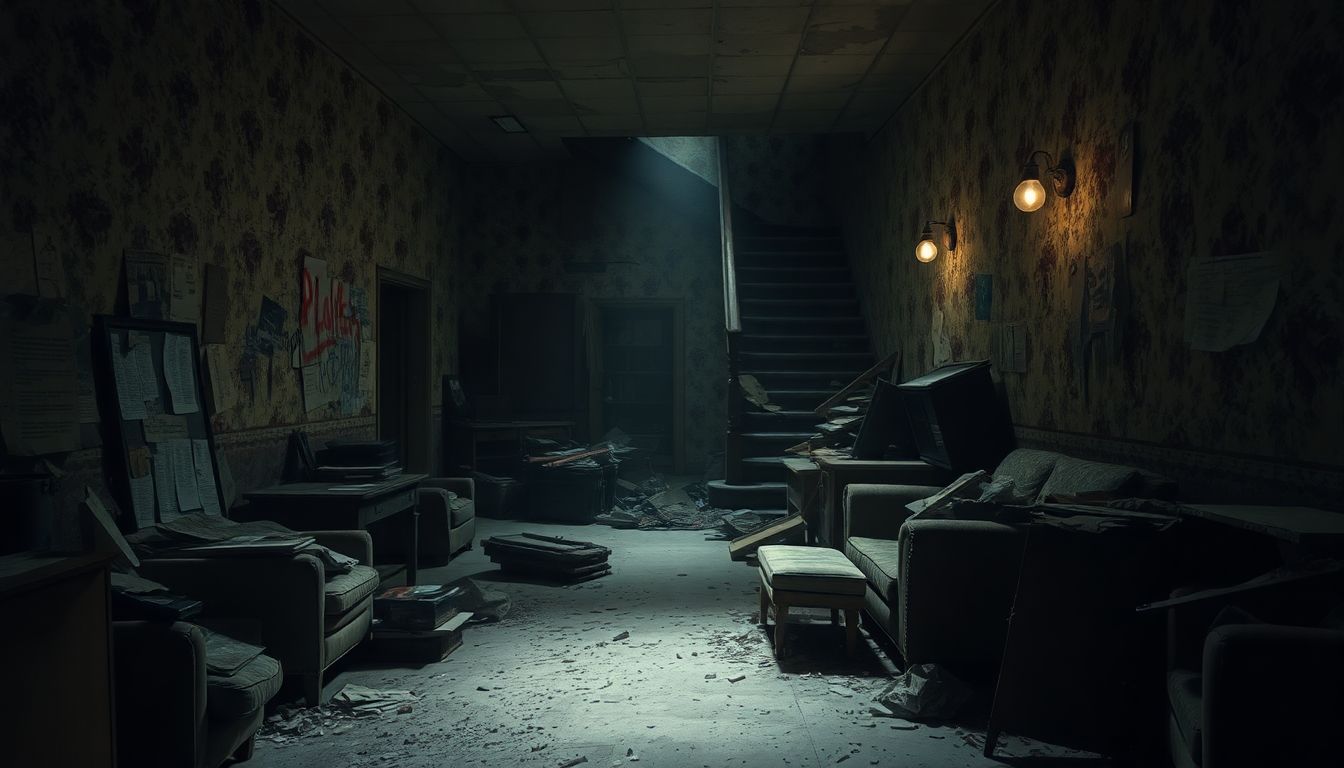
One famous example is a house that sat empty for years, then was overtaken by squatters. When authorities finally entered, they found dangerous conditions—black mold, rats, unsafe floors, and filth everywhere. The squatters had turned the home into a health hazard that threatened neighbors too.
Impact on Property Owners and Community
Owners face losing their property and countless legal bills. The value drops as their house becomes a threat. Nearby neighbors worry about crime and unsafe conditions spreading. The community fears that abandoned homes turn into magnets for illegal activity.
Legal Battles and Resolution Challenges
Getting squatters out isn’t easy. Owners often wait months or even years for court orders. Law enforcement might not act until legal processes are finished. Sometimes, advocates for squatters or local policies slow the process further. These delays leave owners stuck—losing money and hope.
Why Do Squatters Have “More Rights Than Owners”?
Legal Protections Favoring Residents Over Property Rights
Laws like adverse possession let squatters stay if they meet the rules. For example, in some states, if they openly live there for five years, they may claim ownership.
- Some rules prioritize human rights, such as the need for shelter.
- Courts tend to avoid evicting people quickly without clear legal proof.
- These laws can make it hard for owners to reclaim their homes fast.
The Role of Local Governments and Policy Failures
Many cities lack enough resources to evict squatters swiftly. Enforcement can be slow due to legal red tape. Some activist groups oppose quick evictions, arguing everyone deserves safe shelter. These policies mean owners often wait years to regain control.
Case Studies of Policy Changes and Their Outcomes
Reforms aim to balance property rights and housing needs. Some states tightened rules, speeding up evictions. Others made it easier for squatters to claim rights. The results are mixed—some owners see progress, but others face even more hurdles.
Safety Hazards and Humanitarian Concerns
Structural Deterioration and Environmental Hazards
Squatters often neglect the property, causing severe damage. Mold, pests, and unstable structures make these houses deadly. Emergency crews risk injury when entering to remove squatters or inspect hazards.
Humanitarian Issues and Outreach Efforts
Many squatters are homeless or mentally ill. They seek shelter but often find dangerous conditions. Outreach programs try to help, offering housing or health care. Protecting their human rights is just as important as protecting property rights.
Actions for Owners and Communities
Owners should lock up vacant homes tightly and check on them regularly. Building relationships with police and legal experts helps speed up eviction when needed. Communities can band together to watch out for abandoned homes and report suspicious activity early.
Moving Forward: Solutions and Recommendations
Legal and Policy Reforms
Laws need to be clearer about how long squatters can stay before losing rights. Eviction procedures should be straightforward and quick. Rules around adverse possession must protect owners without ignoring basic human needs.
Community and Owner Strategies
Invest in security devices: cameras, alarms, and sturdy locks. Stay informed about local laws. Form ties with law enforcement and legal support groups. This teamwork helps prevent squatters from settling in unnoticed.
Advocacy and Education
Raise awareness about the risks of squatting and how to protect property. Create resources for owners facing this problem. Educating communities makes it easier to spot signs of illegal occupation early.
Conclusion
Squatting creates a complex issue—one where safety, property rights, and human needs collide. Owners often feel powerless as squatters gain more legal protection. Fixing this requires clear laws, strong community support, and better enforcement. Everyone benefits from a system that balances human dignity with property security.
By working together, we can prevent these houses from becoming places of horror and rebuild safety for all. Take action today—stay informed, secure your property, and push for fair laws that protect everyone’s rights.
For real I thought this was America?