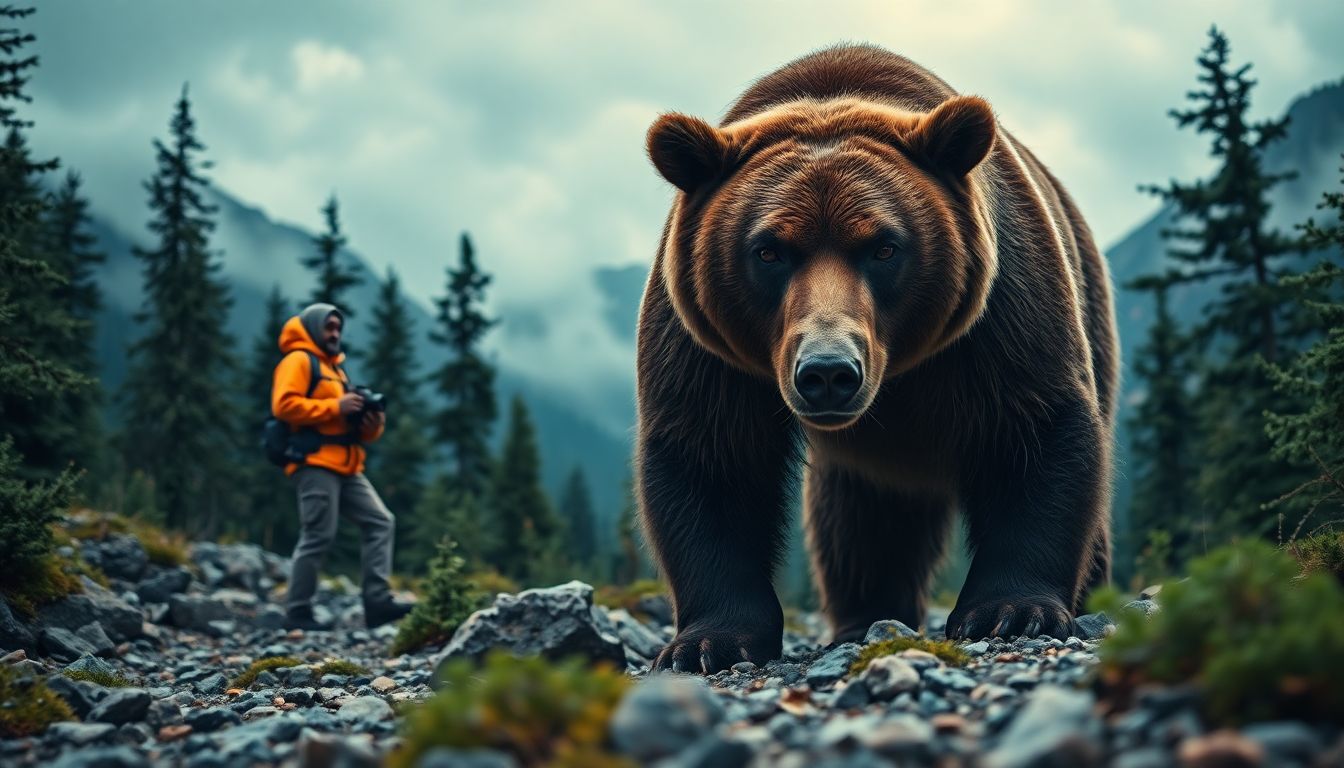
Every year, hikers and outdoor lovers venture into wild areas, hoping to catch a glimpse of nature’s beauty. Sometimes, these moments turn tragic. Recently, a hiker took a photo of a bear just before a grizzly attack left someone dead. This incident reminds us how dangerous wildlife can be and how important proper safety measures are when exploring nature. Understanding bear behavior, following safety tips, and respecting animals can help prevent deadly encounters in the wilderness. In this article, we explore what happened, why bears act aggressively, and how we can stay safe while enjoying the outdoors.
An Overview of the Incident: Hiker’s Encounter with the Grizzly
Details of the Event
The incident took place in a remote national park known for its thriving grizzly populations. The hiker was on a solo trek in late summer when they spotted a large bear nearby. Using a camera, they snapped a photo of the animal from a safe distance. Moments later, the bear suddenly charged, resulting in a fatal attack. The victim was experienced but evidently unprepared for such a sudden threat. Parks officials quickly responded, but the tragedy highlighted how unpredictable wild animals can be — even when you think you’re safe.
The Photographic Evidence
The photo captured just before the attack shows the bear close to the trail, possibly alert or agitated. It gives valuable clues about the bear’s behavior and proximity. The image shows the bear’s posture and the distance from the hiker, helping experts analyze what triggers aggressive reactions. Photos like this serve as lessons; they remind us that wildlife encounters can change in seconds. They also reinforce the importance of maintaining a safe distance and never pushing boundaries during wildlife observation.
Immediate Response and Rescue Efforts
After the attack, rescue teams reached the scene within hours. First aid was administered, but the injuries were fatal. Search and rescue teams faced rough terrain and limited communication, delaying aid. The incident sparked big questions about safety and regulations in wilderness areas. Law enforcement began investigations into how the encounter happened and whether safety guidelines were followed. This tragic event underlines how fast situations can spiral out of control when dealing with powerful wild animals.
Understanding Grizzly Bear Behavior and Human Risks
Grizzly Bear Habitats and Seasonal Patterns
Grizzlies prefer remote, forested areas across the Rocky Mountains and parts of Alaska, Canada, and Wyoming. They are most active in spring and late summer when food is abundant. During these times, they are often foraging heavily, which can make encounters more likely. Certain seasons also see more bear conflicts because animals are nesting, feeding, or defending their young. Recognizing these patterns can help outdoor enthusiasts avoid risky times.
Signs of Bear Aggression and Approaching Threats
Bears communicate through body language. Raised hackles or a bear standing on its hind legs can indicate curiosity or agitation. A bear that makes loud huffing sounds, stomps, or shows its teeth might be feeling threatened. Surprising a bear with noise or sudden movement can easily provoke an attack. Seeing cubs or a bear with a carcass adds to the danger. Learning to interpret these signals can help you react calmly and avoid becoming part of a dangerous situation.
Factors That Heighten the Risk of Attacks
Human actions sometimes trigger attacks. Approaching too close, trying to get a better photo, or feeding bears increases the risk. Dense brush, narrow trails, and limited visibility make it hard to spot an animal early. Groups can also either scare a bear away or, if noisy, provoke an attack if they get too close. Noise levels and small groups are safer because they reduce surprises and help bears recognize human presence.
Lessons from the Incident: Wildlife Safety and Prevention
The Importance of Proper Bear Safety Protocols
Carrying bear spray is crucial. When used correctly, it’s highly effective at stopping an attack. Making noise while hiking—talking or clapping—prevents bears from sneaking up silently. Keep a safe distance; at least 100 yards if possible. Always be aware of your surroundings and avoid hiding behind trees or rocks. These simple habits can save lives and prevent dangerous surprises.
The Role of Photography in Wildlife Encounters
Photographing wildlife can be exciting, but safety should come first. Always keep your distance and use zoom lenses instead of approaching animals. Avoid using attractants like food or cameras with flashes that might draw bears in. Remember, preserving your life is more important than getting the perfect shot. If a bear appears agitated or comes closer, prioritize retreat over photography.
Recommendations for Hikers and Outdoor Enthusiasts
Preparation starts before hitting the trail. Know your route, check recent bear activity reports, and plan accordingly. Pack safety gear including a whistle, pepper spray, and first aid kit. Stay alert; avoid distractions like earbuds or excessive talking. Stick to designated trails and go in groups when possible. These steps help you enjoy the outdoors while keeping risks minimal.
Expert Insights and Wildlife Conservation Perspectives
Insights from Wildlife Biologists and Experts
Wildlife experts stress respect and caution. “Bears are powerful animals that should be observed from afar,” says a well-known biologist. Respecting their space prevents conflicts. Experts also point out that most bear attacks happen during surprised encounters. They advise staying alert and being prepared, especially during high-risk seasons. Following these tips helps balance the thrill of wildlife watching with safety.
Ethical Considerations in Wildlife Photography
Capturing wildlife is rewarding, but it should never come at the expense of animal welfare. Getting too close or disturbing bears can cause stress and aggressive reactions. Responsible photography involves keeping a respectful distance and avoiding behaviors that might provoke animals. Promoting ethical observation supports conservation and keeps wildlife safe from human harm.
Actionable Tips for Safe Wildlife Encounters
- Always stay alert and scan surroundings regularly.
- Use bear spray correctly and keep it within arm’s reach.
- Make noise on the trail to avoid startling animals.
- Don’t get too close or attempt to feed wildlife.
- Recognize warning signs and back away if a bear shows agitation.
- Research local wildlife and follow park rules before visiting.
- Carry a small first aid kit and a communication device.
- Group hikes are safer and more effective at deterring surprises.
Conclusion
Learning from tragic incidents like the one involving the hiker and the bear is crucial. Respect for wildlife, combined with good safety habits, can prevent future tragedies. Always remember that bears are wild animals, not tame. By keeping a safe distance, staying alert, and respecting their habitat, outdoor enthusiasts can enjoy nature without risking their lives. Put safety first, and always prioritize conservation to ensure these magnificent creatures and their homes remain protected. Your actions in the wild can make a difference. Stay safe, stay responsible.