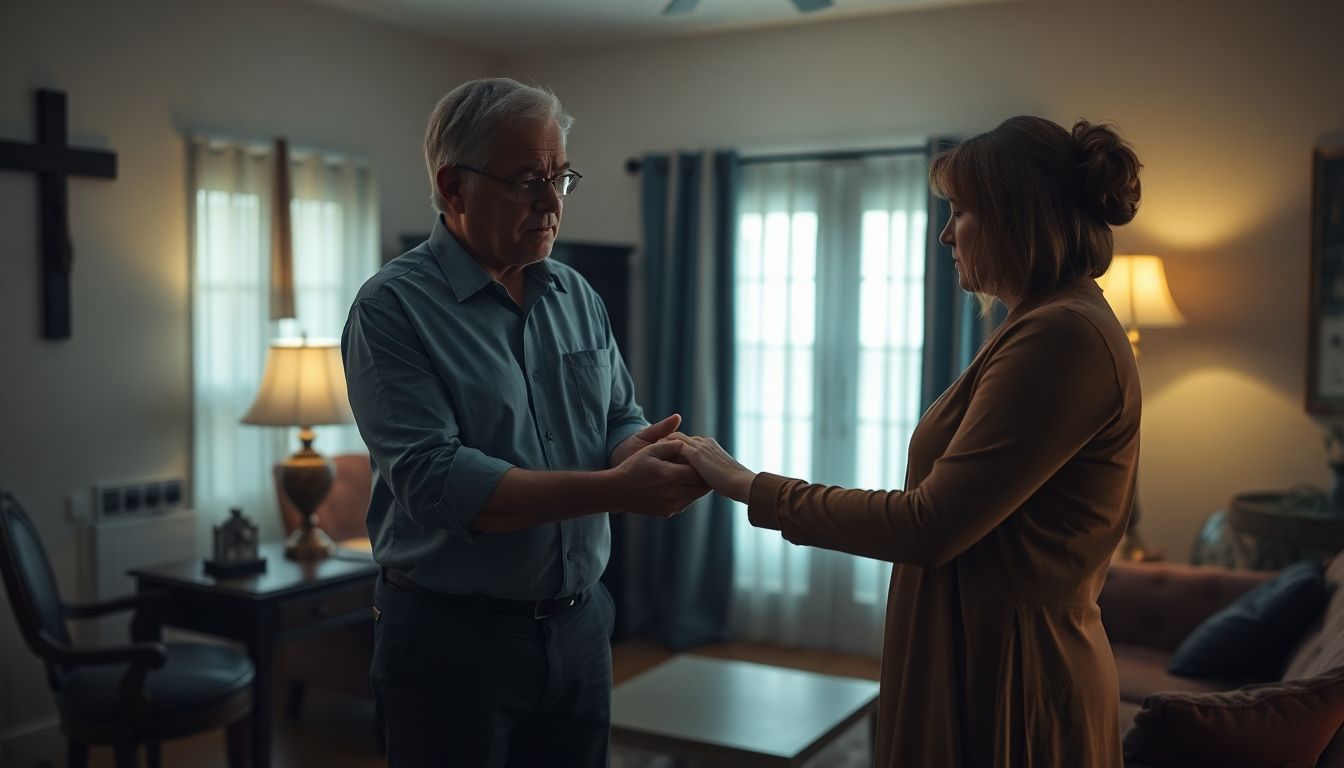
In recent years, some religious groups promote the idea that husbands should physically discipline their wives to correct misbehavior. These teachings spark heated debate across society. Many see them as dangerous and rooted in outdated views of marriage. Others argue they are based on biblical authority. Understanding this movement’s origins, beliefs, and effects can help us grasp why it’s causing so much controversy today.
The Origins and Beliefs of the ‘Spanking Wives’ Christian Movement
Historical roots of corporal punishment in Christian doctrine
Historically, many Christian communities accepted corporal punishment as part of daily life. Biblical passages like Proverbs 13:24 and Hebrews 12:6 have been interpreted to support physical discipline. These ideas have shaped attitudes about submitting and obedient behavior in marriage for centuries. Over time, some leaders took these passages literally, applying them to wives and children alike.
Core teachings of the movement
This movement claims that spanking wives is a biblical way to correct bad behavior. Its followers see physical discipline as an expression of spiritual authority. They argue that such correction aligns with God’s plan for a strong, obedient marriage. It’s important to note, they draw a clear line between discipline and abuse, insisting their methods are controlled and loving, not harmful.
Leaders and key figures
Prominent proponents include certain pastors and speakers who openly promote spousal spanking. Some have large online followings or lead religious communities that endorse these ideas. Typically, these figures come from conservative Christian groups that emphasize traditional gender roles. Their influence spreads these beliefs further into churches and homes.
The Biblical Justification and Interpretations
Scriptural passages cited by proponents
Supporters often cite Proverbs 25:15, which mentions the “rebellious wife,” as evidence that discipline is biblical. Ephesians 5:22-24 is also used, where wives are told to submit to their husbands. They interpret these verses as endorsing physical correction to maintain order in marriage. Other scriptures, like Proverbs 19:18, are also taken to justify spankings.
The debate among theologians
Many biblical scholars challenge this view. Some argue these passages refer to spiritual discipline, not physical punishment. They say that context matters and that Christian love should guide behavior—never violence. Many Christian leaders emphasize respect and mutual care. Critics question whether violent correction truly fits biblical teachings on love and kindness.
Distinguishing discipline from abuse
Healthy discipline teaches right behavior without harm. It involves setting boundaries and guiding gently. Abuse, on the other hand, hurts physically and emotionally. Supporters say their spanking isn’t abusive because it’s consensual and controlled. Critics warn that even well-intentioned discipline can cross into harm or control, especially if it’s harsh or non-consensual.
Societal Impact and Real-World Examples
Prevalence of the movement
While exact numbers are hard to find, surveys suggest this belief system exists in certain conservative regions. Some small churches or communities openly endorse wives being disciplined. In certain areas, it’s more common to hear about families practicing or endorsing such ideas. Media reports highlight cases where these teachings have led to real harm.
Personal stories and case studies
Stories of women experiencing physical punishment from husbands claiming biblical authority have surfaced. Some report feeling trapped or afraid. Others see it as a way to maintain order in their homes. Critics argue these practices often escalate into abuse, and victims rarely find help.
Legal and social repercussions
There have been legal cases involving domestic violence linked to these teachings. In some instances, authorities step in when violence becomes severe. Society’s reaction is mixed—some see these teachings as dangerous, others defend religious freedom. Media coverage often sparks debate about what’s acceptable within marriage.
Ethical and Psychological Considerations
The psychology of violence and authority in marriage
Research shows physical punishment can damage mental health long-term. It may create feelings of fear, shame, or low self-esteem. Power imbalances in these relationships often leave women feeling even more powerless. Healthy marriages should be built on respect, not control.
Risks of crossing from discipline to abuse
When does discipline turn into abuse? Warning signs include excessive force, lack of consent, and emotional harm. Legal safeguards exist, but they can be ignored or misunderstood. Abuse is never acceptable, no matter what biblical verses are cited.
Expert recommendations
Psychologists advise couples to resolve conflicts with love and communication. Professional counseling can help replace violence with understanding. Building trust and mutual respect strengthens relationships far more than physical punishment ever could.
How to Respond and Protect Yourself
Recognizing dangerous teachings
If you hear about wife spanking or similar ideas, question their basis. Are they rooted in love or control? Is there mutual consent? Always remember, no one should be hurt or scared in a marriage.
Seeking support and resources
Support is available for victims of harmful practices. Contact local domestic violence hotlines or counseling services. Legal options exist if abuse occurs. Open discussions about respect and boundaries can prevent harm.
Advocacy and education
Get involved with groups promoting healthy relationships based on mutual respect. Learn to understand biblical teachings beyond literal interpretations. Promote ideas of kindness, equality, and non-violence in marriage.
Conclusion
The movement claiming that wives should be spanked to correct misbehavior is rooted in selective biblical interpretations. While its proponents see discipline as biblical, critics warn about the risks of harm, control, and abuse. Respecting bodily autonomy and promoting healthy, violence-free relationships remain the best goals. It’s vital to challenge harmful teachings and support those affected by them. Making informed choices helps build marriages grounded in love, respect, and kindness.