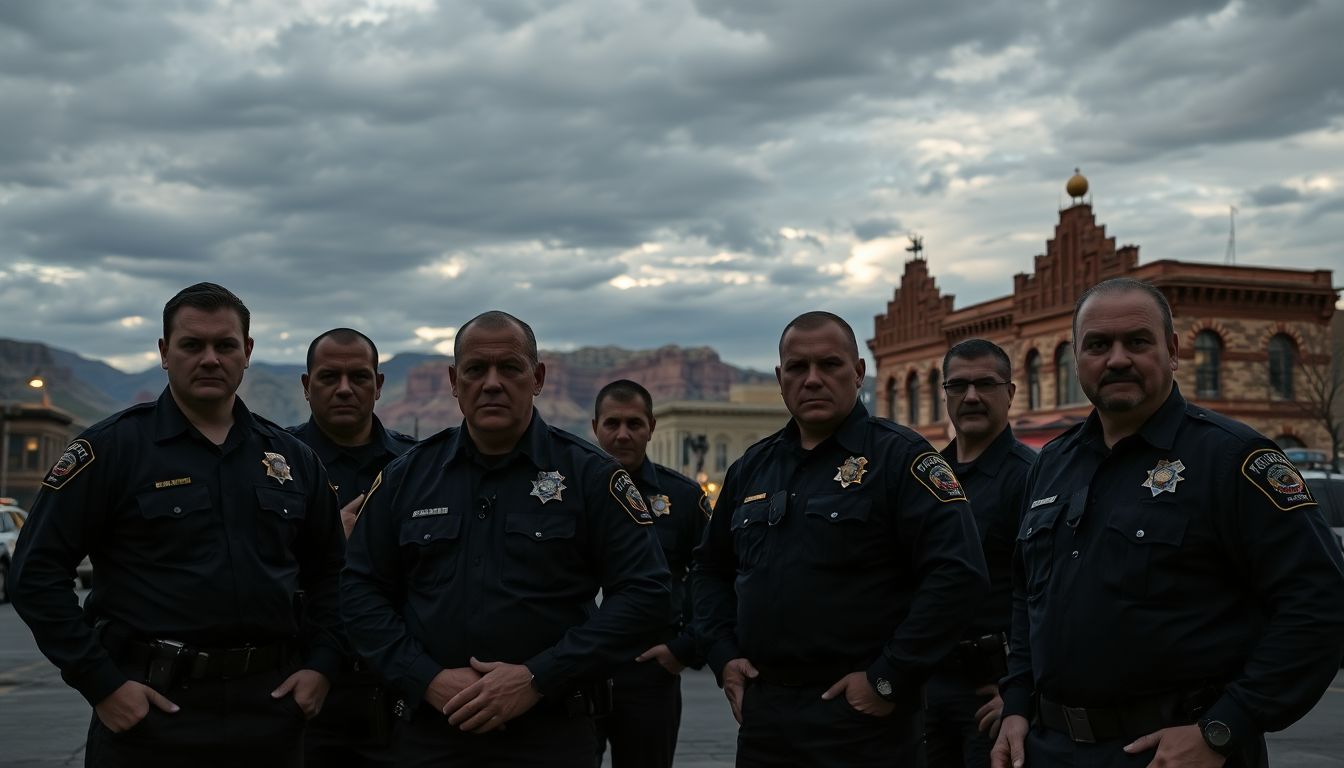
Lately, a heated debate has stirred around Cedar City’s police. Some residents say that officers act like the Gestapo—an infamous secret police group from Nazi Germany. That comparison is strong and can shock many people. Such words can damage trust and make it harder for police and residents to work together. But are these claims fair? This article looks at facts behind the fears and tries to understand what’s really happening. It’s important to separate rumors from reality and see how law enforcement truly operates.
The Context of Law Enforcement in Cedar City, Utah
Historical Background of Police Practices in Cedar City
Cedar City has always faced the challenge of balancing safety and community trust. Over the years, police policies have changed. Early on, officers focused mostly on crime control. More recently, the department increased community outreach efforts. Past controversies, like protests over arrests, still shape public opinions today. These moments made residents question how officers treat them.
Current Structure of Cedar City Police Department
The Cedar City Police Department has around 25 officers. Its leadership includes a chief dedicated to transparency. The department runs programs to build better relations, like neighborhood meetings and youth outreach. Policies now emphasize officer training in de-escalation and fairness. They also have review boards to oversee complaints. These efforts aim to earn public trust and prevent abuses.
Community Demographics and Crime Statistics
Cedar City is a mix of college students, families, and retirees. The city’s population hovers around 30,000. Crime rates are relatively low but include thefts, drug offenses, and some violations of violence. Knowing these numbers helps us understand the tough environment officers work in daily. It also reveals why police focus heavily on certain issues.
Public Perceptions and Allegations
Origins of the “Gestapo” Comparison
The “Gestapo” label spread from social media posts, local protests, and some media coverage. Several residents voiced fears that police use harsh tactics and unfair punishments. Community groups raised concerns over perceived abuse of power. Some folks see police actions during protests as heavy-handed, adding fuel to the fire. All this creates a picture of police behaving like an authoritarian force.
Specific Allegations and Incidents
Claims often revolve around recent arrests or traffic stops. For example, there have been reports of officers intimidating protesters or using excessive force during minor incidents. Critics cite these as signs of authoritarian control. Yet, police officials argue they follow the law and use force only when necessary. Even so, some residents feel intimidated or unfairly targeted.
Impact of Labelling Law Enforcement as “Gestapo”
Calling police “Gestapo” damages trust quickly. It makes residents see officers as oppressors, not protectors. Such labels also hurt morale among officers who want to do their jobs well. When people view the police as enemies, it’s harder to solve crimes or improve safety. Labels like these create divides that take years to heal.
Examination of Police Practices and Policies
Use of Force Policies and Training
Cedar City officers are trained in de-escalation techniques designed to calm tense situations. Recent policies emphasize soft methods before force. They are also trained to treat all residents with respect. Several outside agencies review police practices to ensure fairness. Still, critics argue that policies aren’t always followed in every case.
Accountability Measures
The police department has a Citizens Review Board that looks into complaints. Officers are required to wear body cameras during patrols. These video recordings are used to investigate claims. The department regularly publishes crime stats and policy updates for the public. These steps aim for transparency, but some believe more reforms are needed.
Case Studies of Police-Community Interactions
In some neighborhoods, officers have worked closely with residents to reduce crime. These relationships boost trust and encourage cooperation. Conversely, a few incidents where officers responded too harshly have attracted scrutiny. Such situations show the importance of constant training and honest communication.
Expert Perspectives and Municipal Responses
Law Enforcement Experts on Police Conduct
Many national experts say the best police departments focus on community policing. That means building trust through dialogue, not intimidation. They recommend officers be held accountable and trained in empathy. Compared to similar-sized cities, Cedar City’s department is doing some things right, but there’s always room for improvement.
Local Government and Civic Leaders’ Stances
City officials acknowledge public concerns. They say they’re committed to reform and transparency. Recent initiatives include more community meetings and clearer policies. Leaders want residents to feel safe and respected, not terrorized.
Civil Rights Advocates and Community Leaders
Advocates often push for more oversight and reforms to prevent abuses. They demand stronger accountability, like independent investigations of misconduct. Some leaders suggest more training on racial bias and how to handle protests peacefully. Their goal: build trust while keeping everyone safe.
Actionable Tips for Community Engagement and Reform
Ways Residents Can Get Involved in Oversight
Residents can attend public meetings or join community policing programs. Knowing their rights can help during police stops. Talking openly with police officers, sharing concerns, and giving feedback can improve practices.
Promoting Transparency and Accountability
Support laws that require body cameras and independent probes of misconduct. Stay informed about department policies and data. Ask how officers are trained to handle protests and conflicts.
How Law Enforcement Can Improve Community Relations
Officers should stay trained in bias reduction and conflict resolution. Community events like barbecues or cleanups create friendly ties. Listening to residents’ feedback builds trust. Respect can turn skepticism into cooperation.
Conclusion
The question, “Are Cedar City cops like the Gestapo?” has no simple yes or no answer. It’s a complex issue rooted in fears, perceptions, and facts. While some residents see police as authoritarian, many officers work hard to serve their community ethically. Building trust needs honesty, transparency, and ongoing dialogue. Communities and police must work together, listen, and improve—because safe neighborhoods come from mutual respect. Keep asking questions and stay engaged. Change starts with understanding.




I live there about 15 years ago and these guys will pull you over for just walking up the street it’s ridiculous whatever happened to Americans rights