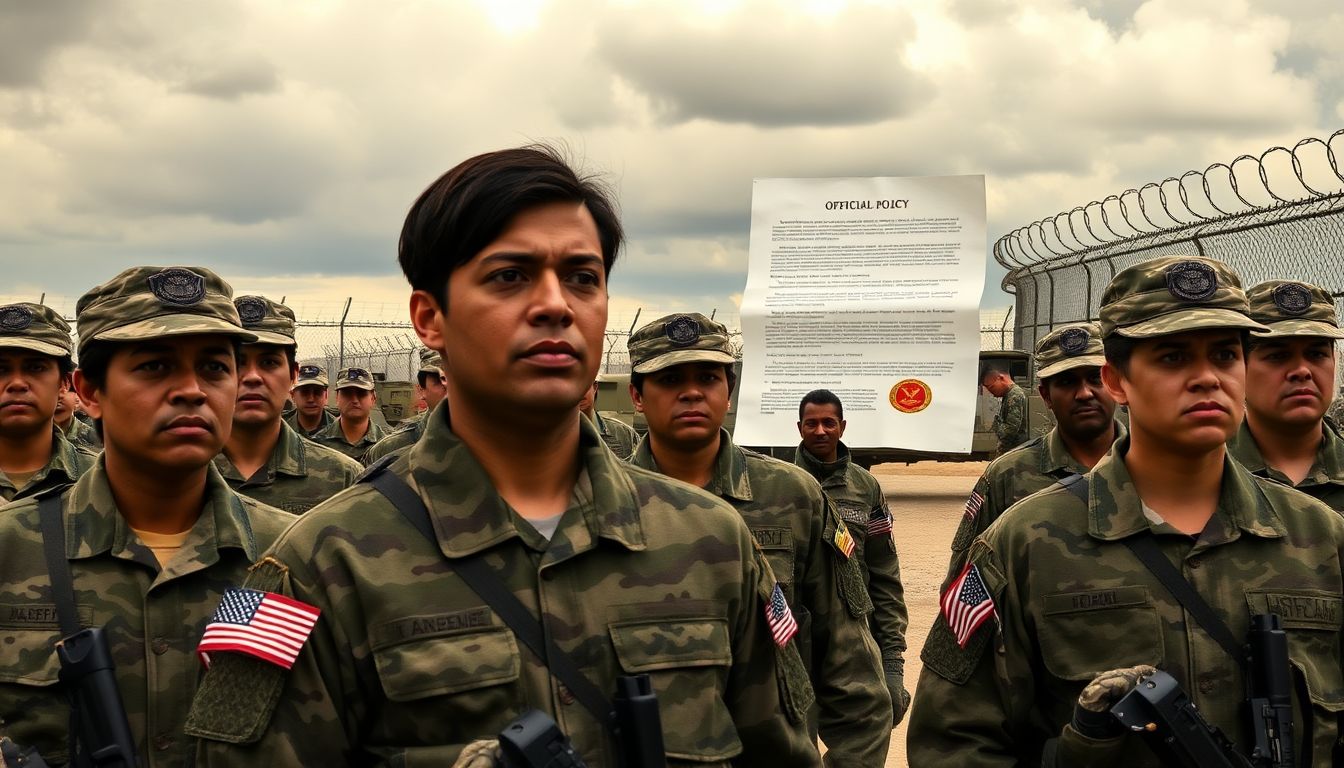
In a move that has sparked controversy and concern, the US military plans to begin dismissing transgender service members starting next month. This policy shift marks a significant change from recent years, where the military became more inclusive. The decision raises questions about how it will affect military readiness, diversity, and the lives of those who serve. For many, this feels like a step backward at a time when inclusion is vital for strength and unity.
Current Policy Landscape on Transgender Service Members in the US Military
Historical Overview of Military Policies
The US military has long struggled with how to handle transgender individuals. Back in 2016, the military allowed some trans people to serve openly. But in 2019, a ban was reintroduced, prohibiting most transgender people from joining or staying in the armed forces. This policy was met with court battles and protests. Over time, some branches took different approaches, leading to a patchwork of rules.
Recent Policy Changes and the New Memo
The new memo announced that military officials will start removing transgender troops next month. Officials say these dismissals are based on concerns over unit cohesion and military effectiveness. The memo explains that service members who are transgender, or who have undergone certain treatments, might no longer meet standards. This change signifies a clear shift toward stricter policies.
Legal and Administrative Framework
Laws like the Military Equal Opportunity Act protect against discrimination, but recent policies challenge this. The Department of Defense oversees military policies and enforces rules related to service eligibility. Each branch follows specific guidelines, but the new memo puts uniformity to the dismissals. Legal experts warn this could lead to a series of court fights in the coming months.
Details of the Troop Dismissal Policy
Criteria and Process for Discharges
The policy states that service members who have transitioned, are undergoing hormone therapy, or have surgical treatments might face discharge. Military officials will review individual cases based on these criteria. The process will involve medical and legal assessments before a final decision. Service members will have some chance to appeal, but the overall timeline for dismissals remains unclear.
Scope and Impact
While exact numbers aren’t available, experts estimate thousands of transgender troops could be affected. All military branches are expected to follow the same policy, making the impact widespread. From active-duty members to reserves, no one will be immune. The goal is to eliminate certain individuals from service quickly, but some argue it will weaken the force.
Official Justifications and Military Objectives
Military leaders cite readiness as the main reason for these dismissals. They claim that having service members with gender-transitioning health needs can distract from or complicate military operations. They also say the policy aims to maintain a focused and uniform force. Critics argue that these justifications ignore the contributions of transgender troops and promote discrimination.
Reactions and Opinions from Key Stakeholders
Military and Government Officials
Some officials support the new policy, stressing the need for a cohesive, distraction-free force. Others, including current service members and veterans, have voiced concern about how this could damage morale. The Defense Secretary’s office defends the move as necessary for national security, though opinions are divided.
Advocacy Groups and Civil Liberties Organizations
Groups like the ACLU and Human Rights Campaign strongly oppose the policy. They argue that it unfairly targets transgender people, violating their rights and dignity. These organizations are calling for legal action and public protests. They see this as a step back in the fight for equality.
Transgender Military Members and Veterans
Many transgender service members say the policy creates fear and uncertainty. Several have shared that it impacts their mental health and trust in the military. Speaking out, some veterans caution that such policies discourage diversity, ultimately harming military strength.
Legal Challenges and Potential Repercussions
Court Cases and Federal Legal Actions
Legal battles are already underway. Civil rights groups filed lawsuits challenging the new policy, claiming it violates constitutional protections. Some courts have temporarily blocked parts of the policy, but the fight isn’t over. The courts may decide whether the dismissals are lawful, setting significant legal precedents.
Congressional and Legislative Responses
Congress is also split on this issue. Some lawmakers want to push back against the policy, proposing bills to halt dismissals. Others argue military readiness takes precedence. This debate could lead to new laws or restrictions affecting transgender service members.
Broader Implications for Military Policy and Diversity
The policy could have long-term effects. Recruitment might drop among younger, diverse populations. Retention of talented troops could also suffer. Many say abandoning inclusion risks making the military less effective by losing valuable perspectives and skills.
Expert Analysis and Future Outlook
Defense and Military Experts’ Perspectives
Many experts warn the policy might weaken the military’s strategic position. Having a diverse force is often seen as a strength. Removing transgender troops could reduce morale and cohesion, especially if others see it as discrimination.
Civil Rights and Human Rights Perspectives
Human rights advocates see this policy as a step backwards. They argue that it unfairly targets an already vulnerable group. Long-term, such policies could discourage others from enlisting or staying in the military, harming diversity and fairness.
Recommendations and Actionable Tips
If you’re a service member or supporter, stay informed about your rights. Reach out to advocacy groups for support or guidance. Promote dialogue about inclusion and respect within the armed forces. Advocating for more inclusive policies helps protect everyone’s right to serve.
Conclusion
The upcoming troop dismissals mark a major change in how the US military handles transgender service members. This policy is already stirring debate among officials, legal experts, advocates, and service members. It raises serious questions about fairness, diversity, and readiness. Staying informed and engaged is key as the story develops. The future of inclusivity in the military depends on it.




I didn’t even know we had transgender in the military what the f***