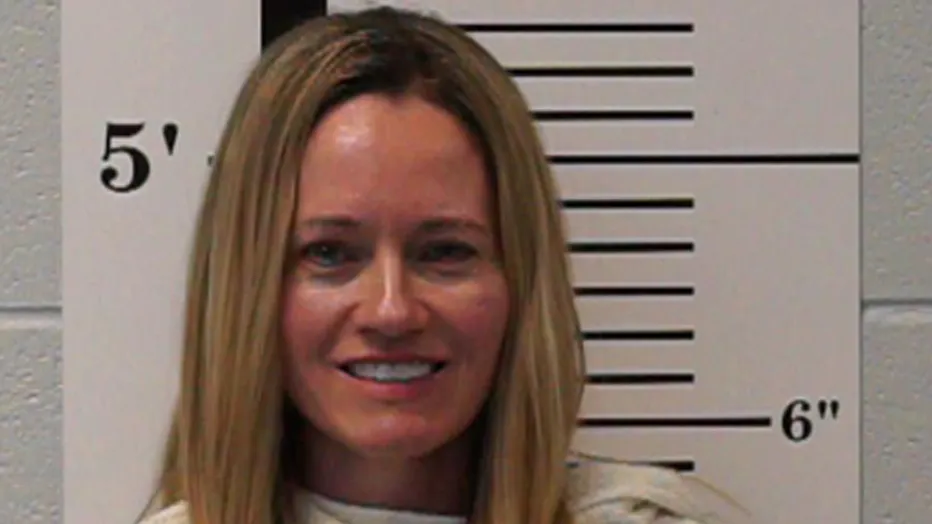
James Hicks’ crime spree left a trail of fear and chaos in local communities. His brutal killings shocked everyone, forcing law enforcement to act quickly. Understanding how Hicks operated and what led to his arrest shows us how crucial advancements in investigations really are. This article aims to uncover Hicks’ methods, motives, and how police cracked his case. It also highlights lessons we can learn to prevent similar tragedies in the future.
The Life and Background of James Hicks
Early Life and Personal History
James Hicks grew up in a small town, where his childhood was troubled. Family problems and a lack of positive influences marked his early years. Reports suggest he showed signs of aggression and trouble with authority from a young age. These early warning signs hinted that Hicks might head down a dark path later in life.
Psychological Profile and Possible Motives
Law enforcement and criminal psychologists believe Hicks may have suffered from mental health issues. Some experts suggest he struggled with personality disorders that fueled his violence. Most agree that his motives were complex, possibly driven by anger, frustration, or a need for control. Whatever the reason, it pushed him toward deadly crimes.
Connection to Local Communities
Despite his dark past, Hicks integrated himself into the communities where he lived. He was often seen as a quiet, unassuming person. But his background contributed to his ability to blend in, making it harder for authorities to suspect him. His presence in neighborhoods made his crimes even more unsettling.
The Crime Spree: Timeline and Methodology
Initial Crimes and Early Warning Signs
Hicks’ first known murders occurred over a period of months. Early signs included strange behavior and disappearances in the area. Law enforcement noted unusual patterns and started linking some crimes. Yet, initial investigations faced hurdles due to lack of evidence.
Modus Operandi and Signature
Hicks usually targeted young women, often attacking them late at night. His preferred weapons were knives and blunt objects. Over time, his attack style became more aggressive. Investigators noticed consistent elements at crime scenes, which helped to build a profile of his behavior.
The Victims and Crime Scene Profiling
His victims ranged in age from late teens to mid-thirties. Most were found in wooded or secluded areas. Forensic evidence like DNA and fingerprints played a key role in profiling Hicks. Crime scene analysis pointed to a pattern, revealing insights into his psychological makeup and approach.
Investigation and Law Enforcement Response
Breakthroughs in the Case
A major breakthrough came when DNA evidence matched Hicks to the crime scenes. Behavioral profiling narrowed down the list of suspects. Data from forensic labs helped law enforcement zero in on Hicks’ identity, leading to his arrest.
Challenges Faced During the Investigation
The investigation was not easy. Hicks kept a low profile, and false leads took time to clear. Community pressure and fear made the investigation more complicated. Still, the relentless work of forensic teams helped push the case forward.
Community Impact and Public Response
The crimes tore through the community, leaving fear in people’s hearts. Public safety measures increased, with neighborhood watch programs and more police patrols. Law enforcement kept the public informed to rebuild trust and keep everyone alert.
The Capture and Trial of James Hicks
Arrest and Legal Proceedings
Hicks was finally caught after a detailed police stakeout. His arrest was a relief to many residents. The legal process began with multiple charges, including murder and assault. His defense tried to argue mental illness, but evidence was overwhelming.
Confession, Motives, and Sentencing
Hicks admitted to several killings, mostly claiming he couldn’t explain his actions. The court sentenced him to life in prison. Families of victims found some closure, though the pain will never fully fade.
Lessons Learned from the Case
This case showed how important forensic science is in catching killers. It also reminded us to watch for warning signs and take threats seriously. Better profiling methods and public awareness can prevent future tragedies.
Preventative Measures and Future Implications
Recognizing Suspicious Behavior
Be alert for changes in behavior, especially if someone becomes unusually violent or secretive. Warning signs include sudden mood swings, social withdrawal, or obsession with violence. Talking to loved ones about concerns can save lives.
Advancements in Crime Scene Investigation
Modern forensic tools such as DNA analysis and behavioral profiling are vital. They help connect clues quickly. Law enforcement agencies working together also improve chances of solving crimes faster.
Support for Victims and Families
Victims’ families need counseling and support groups. Communities can heal by coming together and sharing their stories. Raising awareness about mental health also plays a key role in prevention.
Conclusion
James Hicks’ deadly web reminds us how dangerous unchecked anger and poor mental health can be. The case shows the importance of swift investigations and forensic advances. Staying vigilant and aware can help stop tragedies before they happen. Law enforcement, communities, and individuals all have roles in keeping each other safe to prevent future crimes like Hicks’ deadly spree.